
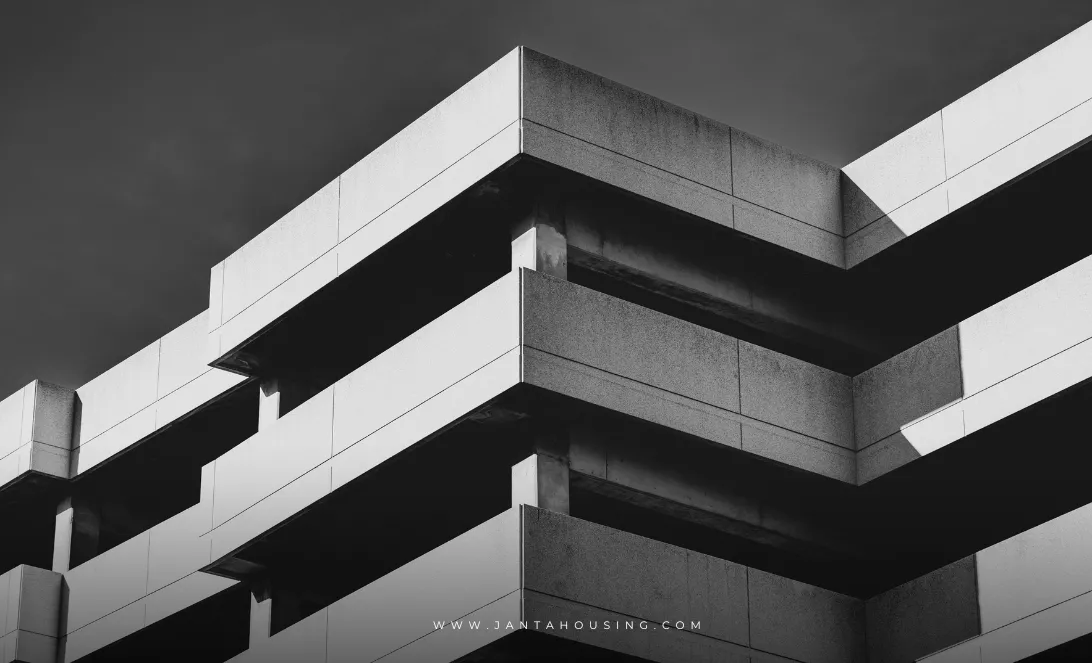
In architecture, what is fashionable today can always become outdated tomorrow. Materials change, aesthetics preferences evolve and design trends move from one season to the next. Yet, certain architectural designs seem to become more desirable with age. Their appeal does not diminish with changing tastes; instead, their character , craftsmanship and sense of permanence become increasingly valuable.
This is the fundamental difference between timeless architecture and trend driven design. Timeless architecture is not about resisting change. It is about designing your infrastructure beyond it.
Beyond the Moment – The Value of Timeless Design
Trend driven architecture often responds to what is visually popular at a particular point in time – certain facades, colours, finishes, layouts or stylistic elements. While such design can create immediate visual impact, its relevance may depend heavily on the longevity of the trend itself.
Timeless architecture takes a different approach. It prioritizes proportion, balance, functionality, materiality and context. These principles remain relevant because they are rooted in how people experience spaces rather than what happens to be fashionable.
A well proportioned facade. Thoughtfully planned interior and carefully considered landscape rarely become obsolete. They mature. That maturity can translate into value.
Architecture that Ages with Grace
The best architecture develops a patina rather than simply showing its age. Natural stone gains character. Carefully selected materials develop depth. Architecture details that may initially appear understated often reveal their quality over time.
This creates an important distinction in real estate, a building can depreciate physically while architectural desirability appreciates.
When design has been conceived with longevity in mind, age can become an asset rather than a liability. A property with an enduring architectural identity is less dependent on periodic aesthetic reinvention. Instead of constantly adapting to changing tastes, it possesses a character of its own.
The Relationship between Design and Value
Real estate value has never been determined by square footage alone. Location, connectivity, infrastructure and amenities remain fundamental, but the architecture experience of a property increasingly influences how it is perceived and remembered.
Timeless design can strengthen this experience in several ways.
Designs that rely purely on current trends can begin to resemble one another. Timeless architecture, by contrast, develops a recognisable identity through proportion, detailing, materials and spatial composition.
A trend specific design may appeal strongly to a particular generation or aesthetic preference. Timeless architecture tends to speak across generations because its fundamentals are universally understandable.
It also reduces the pressure to renovate. When the underlying design remains relevant, homeowners are less likely to feel that their property requires major aesthetic intervention simply to remain contemporary.
Finally, it creates emotional permanence. People do not merely buy buildings. They buy environments in which they expect to live, grow and build memories. Architecture that feels considered and enduring contributes to that sense of permanence.
The Power of Restraint
There is often a misconception that luxury architecture must be extravagant. In reality, enduring luxury is frequently defined by restraint. Excessive ornamentation, fashionable finishes and highly specific stylistic statements can quickly reveal their era. By contrast, carefully controlled proportions, generous spaces, natural materials, intelligent lighting and seamless transitions between indoor and outdoor environments can remain sophisticated for decades.
This is why some of the world’s most admired landmarks are not necessarily the most decorated. Their strength lies in clarity. Timeless architecture is often the result of knowing what not to add.
The Art of Timeless Architecture
True architecture foresight extends beyond aesthetics. Timeless infrastructure must accommodate changing lifestyles. Flexible spaces, efficient planning, natural light, ventilation, uninterrupted peace, absolute privacy, unmatched accessibility and meaningful interaction with open lush green landscapes all contribute to long term relevance.
Technology will change. Household patterns will evolve. Expectations of comfort will rise. The architecture that survives these changes is architecture designed around enduring human needs.
This is particularly significant in premium residential real estate. A luxury highrise should not merely look exceptional when handed over; it should continue to feel relevant years later.